Get A Free Tree Assessment Today
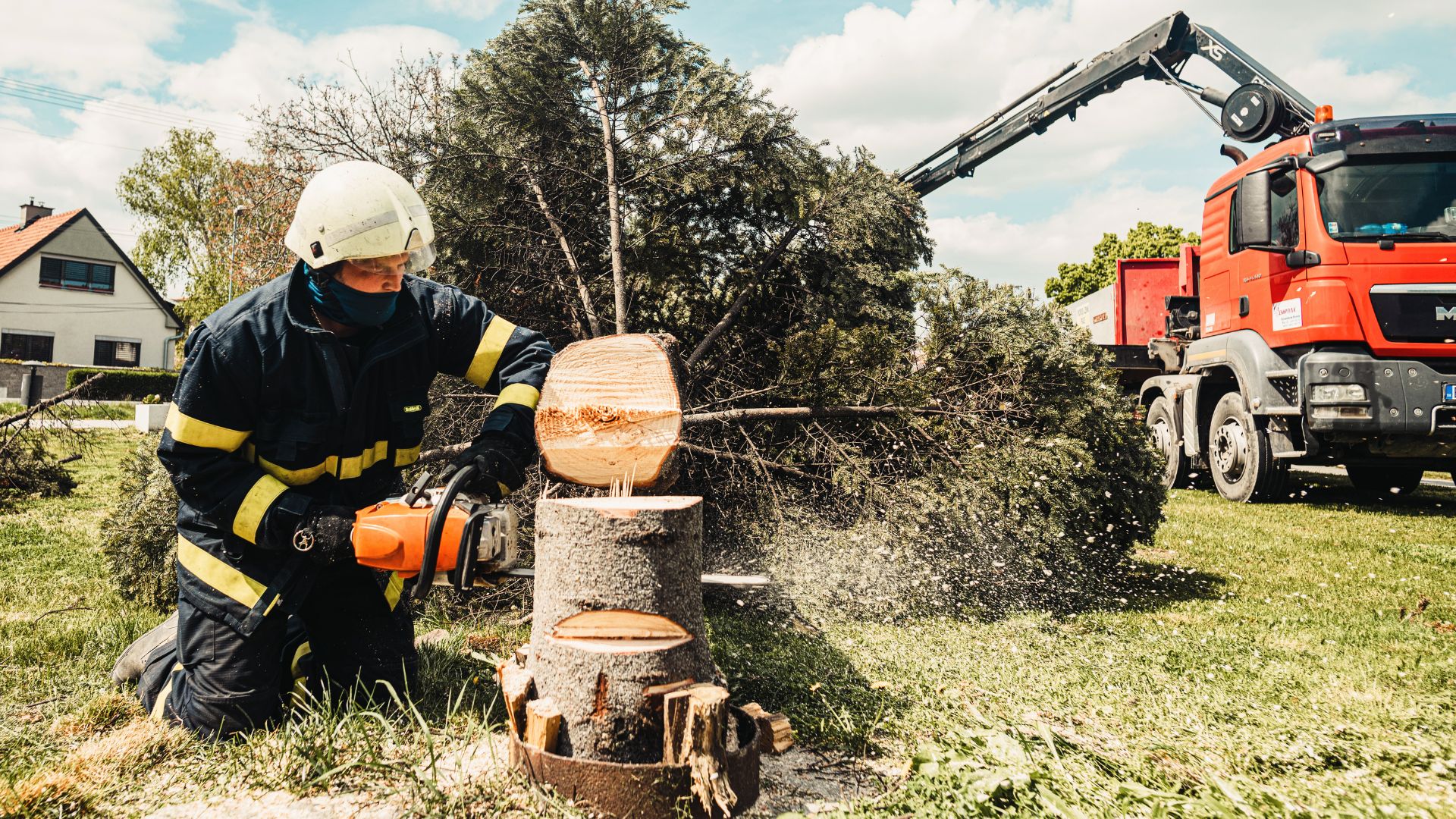
Trees add beauty, shade, and character to any landscape—but when they become unstable, diseased, or damaged, they can turn from assets into liabilities. At Vizion Tree Service, we’ve seen firsthand how delaying tree removal can lead to costly damage or even safety hazards. So how do you know when a tree has to come down?
Here are the most common signs it’s time to consider professional tree removal:
1. The Tree Is Leaning Suddenly or Severely
If your tree has developed a significant lean, especially after a storm or heavy wind, it may be unstable. Sudden tilting usually means the root system is compromised. Even if it’s still standing, a leaning tree can fall without warning—and pose a serious risk to your home, fence, or family.
2. There’s Visible Trunk Damage
Cracks, splits, or cavities in the trunk are structural red flags. Deep wounds weaken the tree’s core and make it more likely to snap during wind or snow. Also, pay attention to missing bark or large patches of rot—both are signs the tree is unhealthy and declining.
3. Dead or Hanging Branches in the Canopy
Large dead limbs—especially high in the canopy—can fall at any time. If more than 25% of the branches are dead or the tree has significant dieback at the top, it’s likely in distress and may not recover.
4. Signs of Disease or Pest Infestation
Watch for mushrooms growing around the base, strange leaf discoloration, or holes in the bark. These could indicate root rot, fungal disease, or boring insects. A sick tree can infect nearby trees and should be assessed quickly by a professional.
5. The Roots Are Exposed or Damaged
Roots are a tree’s foundation. If you notice large roots breaking through the surface, or if excavation or construction has damaged them, the tree may be unstable. Soil heaving around the trunk is another indication that the root system has failed.
6. It’s Causing Structural Problems
Sometimes a tree needs to be removed even if it’s healthy. Roots might be lifting your driveway or sidewalk, branches could be threatening power lines, or the tree could be too close to your home. In these cases, proactive removal may be the best way to avoid long-term property damage.
What to Do Next: Call a Tree Removal Professional
If you notice any of these warning signs, don’t wait. Trees can decline quickly, and what looks like a small issue today can become an emergency tomorrow.
At Vizion Tree Service, we offer free on-site evaluations to assess your tree’s health and stability. If removal is necessary, our experienced team will complete the job safely—with full cleanup and no damage to your lawn or property.
We’re licensed, insured, and committed to helping homeowners make the best decisions for their trees and landscapes.
FAQs About Tree Removal
How much does tree removal cost?
Most tree removals range from $300 to $1,500 depending on size, location, and complexity. We always offer free estimates with no obligation.
Can you remove trees near houses or power lines?
Yes. We use rigging systems, lifts, and cranes to safely remove trees in tight or hazardous spots.
Do I need a permit to remove a tree?
In most cases, private property owners don’t need a permit. We can help confirm your city or HOA rules.
What happens after the tree is removed?
We offer stump grinding and full debris cleanup. You can also choose to keep wood chips or firewood if desired.
Don’t Risk It—Let Vizion Tree Service Help
Call (517) 304-7403 or contact us online to schedule a free tree evaluation. If a tree on your property is becoming a hazard, we’ll remove it safely and professionally—giving you peace of mind and protecting your investment.